Can You Freeze Potatoes? How to Preserve Raw Potatoes Without Blanching

Potatoes can be a tricky vegetable to store without compromising the texture. In the right conditions, potatoes can keep in a dark place like a root cellar for quite a few months. But that situation isn’t always possible, since the room temperature has to be cool enough to avoid rotting. Thankfully, I’ve found an easy way to freeze raw potatoes without blanching that keeps them good in the freezer for months.
This post contains affiliate links, which means that we make a small commission at no extra cost to you. You can view our full disclosure here.
Pin This Post for Later!

Can You Freeze Raw Potatoes?
You can absolutely freeze raw potatoes. However, not every method works. There are a few different ways to freeze potatoes, but the best way to avoid a mushy, undesirable potato texture is to make your own hash browns. (Recipe below.)
Whether you have too may fresh potatoes from your garden or excess potatoes from the grocery store that are starting to get soft, freezing homemade hash browns for later use is a very forgiving way to use up your extra potatoes.
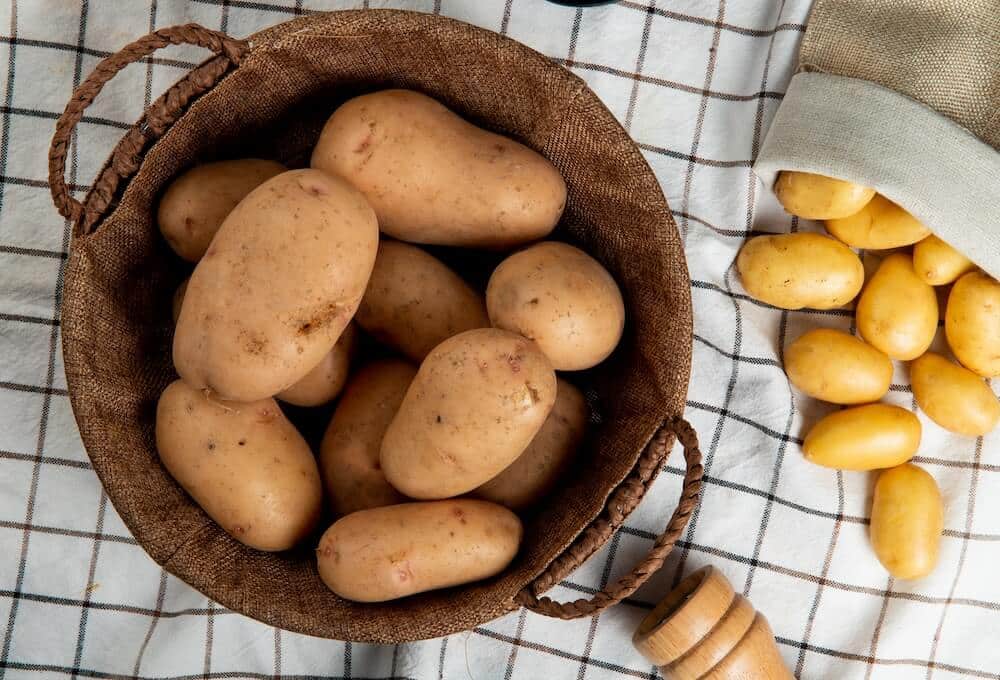
Plus, frozen hash browns make a quick, healthy, easy side for protein-rich hot breakfasts.
Another great way to save potatoes is to freeze them as mashed potatoes. The best way to do this is to make your regular mashed potatoes with a little extra butter, salt, and sour cream. Then, place dollops of the cooled mashed potatoes on a cookie sheet. Freeze, then remove and store in resealable bags in the freezer. When you’re ready to eat your frozen potatoes, simply reheat them in the oven or microwave.
(I have not used this method as regularly, since we don’t eat as many mashed potatoes. However, I have read that it is more forgiving as nearly all types of potatoes – russet, red potatoes, yukon gold potatoes, and others work well.)
Can You Freeze Raw Potatoes Without Blanching?
You can freeze raw potatoes for hash browns without blanching. However, for other potato freezing methods, blanching in an ice bath is typically necessary, since it slows down enzymatic reaction, inhibits potatoes from turning black or brown, and can prevent a more grainy texture.
Blanching requires washing, peeling, and chopping potatoes, then bringing the cut potatoes to a rolling boil in a large pot for a few minutes before plunging them in ice cold water.
I do not blanch my hash brown potatoes before freezing, nor do I peel them.
Why not?
I’ve found that stacking my baking sheets of shredded potatoes on top of each other helps to prevent them from darkening. However, even if they are not stacked well and do darken up a bit, it doesn’t affect the look of hashbrown potatoes nearly as much as it would for other potato recipes. In addition, proper cooking (a thin layer of frozen potatoes cooked in olive oil over medium heat with frequent spreading) still produces crispy hash browns.

Why Do Potatoes Turn Brown or Black When Freezing?
The reason potatoes turn dark colors (black, brown, or gray) when freezing is because of enzymic browning. This oxidation reaction happens when the enzymes from certain fruits and vegetables react with oxygen, which results in discoloration. Cooking or blanching potatoes before freezing can stop this process.

Is It Safe to Eat Oxidized Potatoes?
Yes, it’s perfectly find to eat oxidized potatoes, since the color change is simply a reaction to oxygen and not a sign of spoiling.
Putting potatoes in water after cutting can slow down this process. I often do this if I’m preparing dinner earlier in the day and won’t be cooking the potatoes until afternoon or evening.
When we freeze hashbrowns, I try to stack the trays on top of each other, which typically works to decrease this browning or graying effect. However, gray-ish hashbrowns can still be quite delicious-looking – not nearly as off-putting as gray mashed potatoes or cubed potatoes.
How to Freeze Hash Brown Potatoes
Freezing shredded potatoes is an easy and delicious way to use up that extra bag of potatoes you accidentally bought or an abundance of garden harvest. I like using russet potatoes best.
(Side note, I have also tried this method with sweet potatoes, and it was not great.)
Supplies You’ll Need:
- Whole potatoes
- Baking sheets (I typically do 10 pounds of potatoes on 4 baking sheets)
- A food processor
- Airtight freeze bags
Frozen Shredded Hash Browns Recipe:
- Wash potatoes and shred them in a food processor or hand shredder. I’ve found that peeling and blanching are both unnecessary when freezing raw hashbrowns.
- Spread them in a single layer on a baking sheet, about 1/4″ thick.
- Blot with a clean kitchen towel or paper towel to remove extra moisture. Too much water can lead to somewhat mushy hash browns.
- Freeze on baking sheets for 3+ hours, or until they’re thoroughly frozen.
- Remove baking sheets from freezer and break the layer of hash browns into chunks (I find about 4″x4″ works well, but this is by no means a science and you will get all sorts of shapes, including small pieces).
- Store in gallon-size airtight freezer bags.

Cooking Instructions:
The trick to cooking crispy hash browns is really more in the cooking than in the freezing method. It’s important to spread them apart as they cook so they get nice and crispy.
- Heat a cast iron pan on low-medium. (Here’s the Lodge skillet we use every single morning.)
- Add olive oil and hash browns when pan is hot.
- Cook on low-medium for ~10 minutes, flipping and spreading them apart once one side gets crispy.
- Add salt and enjoy!
FAQs About Freezing Raw Potatoes

What Happens If You Freeze Raw Potatoes?
Usually, freezing raw potatoes causes them to have a mushy and grainy texture. For this reason, many people like to cook potatoes before freezing. This can work well, but the cooking process takes time, of course. Our preferred method for freezing raw potatoes is to shred them using a food processor, freeze them in thin layers on cookie sheets, and then transfer to plastic freezer bags for a quick and easy addition to hot breakfasts. (Of course, there are no rules that say hash browns can’t be for dinner, too!)
This method is quick, easy, and doesn’t leave you with a gross texture.
Can you freeze soup with potatoes in it?
Yes, soup with frozen potatoes is safe. However, after thawing, cubed potatoes will often be more mushy and grainy than they were originally.
I do this with a few soups (like Zuppa Toscana), but they are never our favorite when reheated, if I’m being honest!
What other recipes can be frozen with potatoes?
I’ve found shepherd’s pie to be a good one to freeze, since the mashed potatoes on top don’t really change in texture when thawed and baked.
How do you cook frozen hash browns so they’re crispy?
To make crispy frozen hash browns, heat up a non-stick pan (cast iron works great) over medium heat. When hot, use olive oil and fry the hash browns, spreading them out and flipping once crisped to avoid overcrowding or thick layers.


