How to Dry Wet Boots Quickly (The Best Method!)

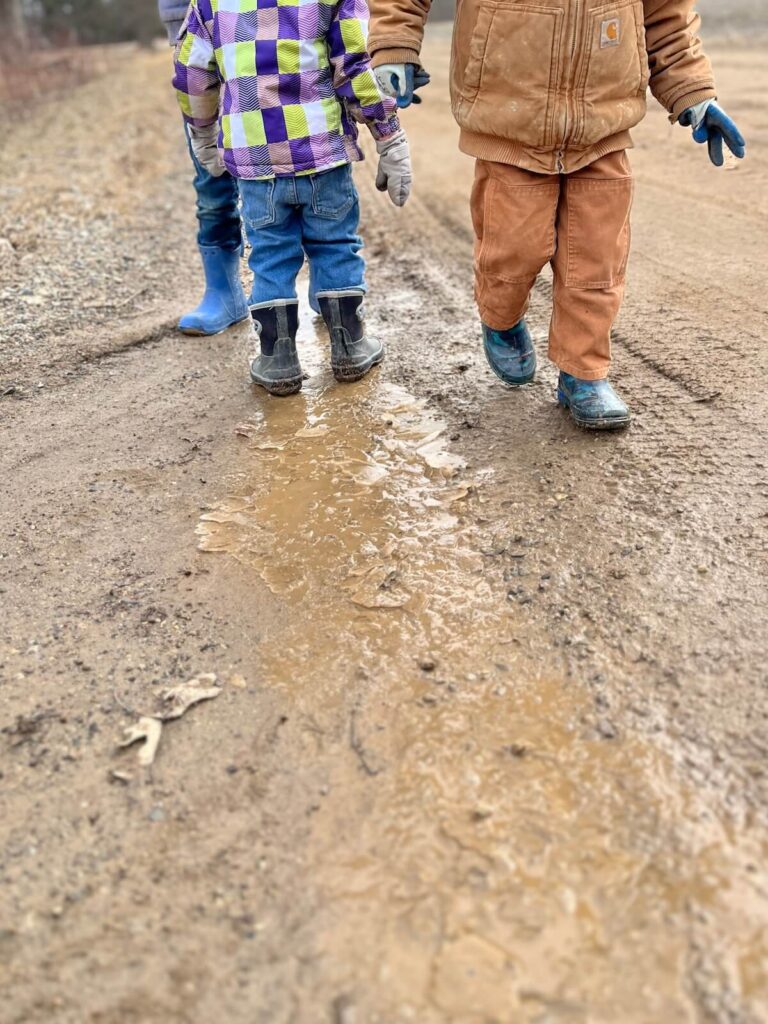
It’s spring in Michigan, and my kids are GOING THROUGH THE boots. I could totally tell them not to play in the mud or splash in the puddles, but this is childhood after all… After bringing in pair after pair of wet boots, I started getting frustrated that even 3 days is not long enough to dry the insides out. What’s a mom to do? Thankfully, I found something that worked in just a few hours, so I had to share it! Here’s my new favorite way to dry wet boots quickly so you can get back to playing outside!
This post contains affiliate links, which means that we make a small commission at no extra cost to you. You can view our full disclosure here.
My New Favorite Method for Drying Out Rain Boots Quickly
As my kids went through pair after pair of boots (including every pair from the basement that even sort of fit!), I realized I needed a way to dry them that took less than 3 days.
(Quick plug here for Croc rain boots though! They’re the only boots we have that are rubber INSIDE AND OUT and dry so fast! If you want a good pair of waterproof shoes, this is it. One day when we’re rich I’ll buy a pair in every single size. 🤪)
One morning, in a moment of frustration, I got up at 5:30AM and stuffed some rags on the inside just to see if it would work, since the boots seemed to be making NO progress toward drying.
I’d heard of the newspaper method, but we don’t typically have old newspapers around. (Keep reading to learn about this method in case you DO have newspaper to spare.)
At 10:30AM, it was time to go outside. I reached into the pairs of boots that had been sitting wet for 3 days making seemingly no progress. Pulled out the rags—THEY RAGS WERE SOAKING WET. And the boots were finally DRY!!!
This is such an effective way to dry wet footwear. I can’t believe I’d never tried this method before!
How to Dry Your Wet Boots Quickly (Step-By-Step Instructions)
- Remove the insoles of the wet shoes or boots if you can. This will help them to dry a bit quicker. Turn them over to dump out any excess water.
- Grab a dry towel or a couple of dry washcloths and stuff them into the boots tightly. If you have dry newspaper, this will also work.
- Let the soggy shoes sit for 5-15 hours. I have found that this method makes them dry fast, but the timing does seem to depend on the shoes and probably the temperature of the room, too.
- Remove the wet newspaper or washcloths and replace insoles.
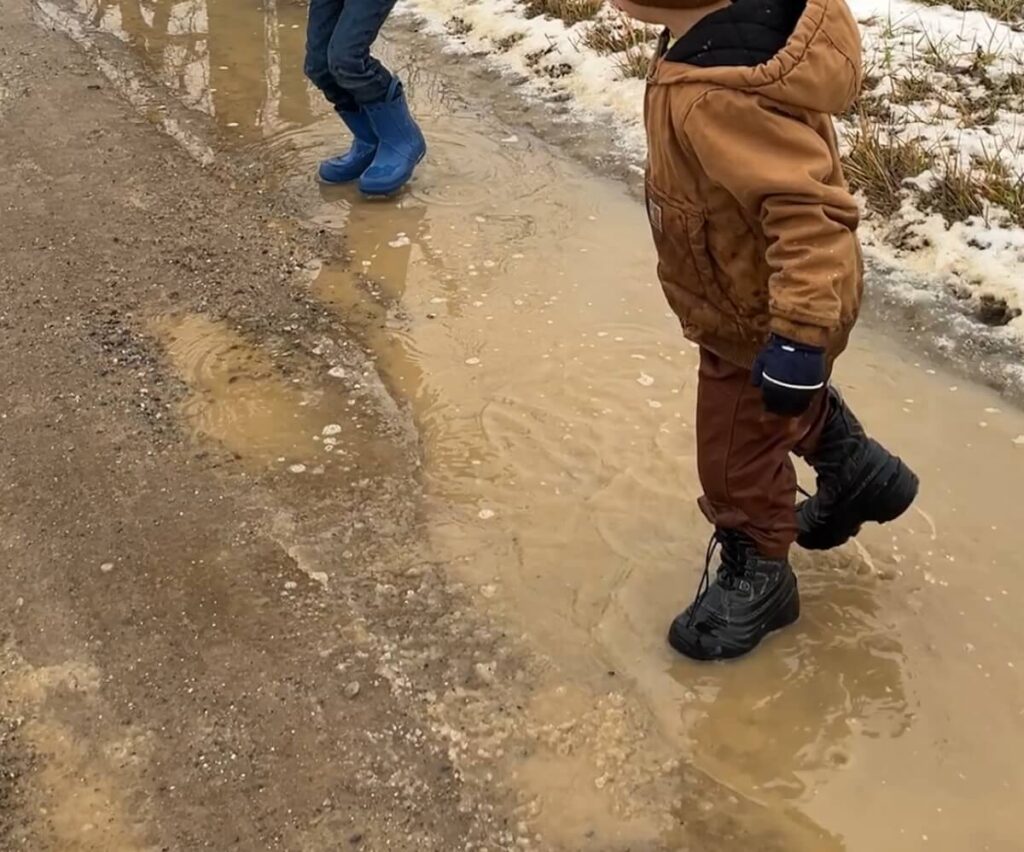
After this worked so well the first time, I had to try it again. Next time it was my daughter’s winter boots that were soaking wet on the inside. After dumping out the excess moisture into the sink (they were truly soaked!), I balled up two washcloth-sized rags and stuffed them into the boot openings before heading to bed. The next morning (8 hours later), they were almost dry. By lunch time (about 15 hours after initially stuffing the insides), they were completely dry.
I was not able to remove the insoles on these boots, and the room they were sitting in was not especially warm (65°F). This method works quite quickly to dry boots, and you don’t need especially perfect conditions either.
Other Methods for Drying Wet Boots and Shoes
Personally, I am SOLD on the dry rags as one of the absolute most effective methods for drying boots. However, if you spend a lot of time in wet weather or have boots that require special care, a faster method may be necessary. Here are a few other easy methods for drying wet boots. I have tried a number of these, but a few I have not.
- Stuff them with paper towels. Like the newspaper method, paper towels will wick up the extra moisture. Of course, using old rags or washcloths might be a little cheaper, since you want to use enough to stuff them tightly.
- Hair dryer method. If you have some time to sit with your damp boots, you can use a blow dryer on low heat to dry out the inside of your boots. While this may be the fastest way, you do need to be careful to avoid high heat settings and keep the dryer a few inches away. Excess heat can harm the material and may even ruin waterproof boots as well as crack leather boots.
- Sunlight method. Placing wet boots in direct sunlight can be another good idea for air drying, especially if you have warmer weather. Remove the laces and open the boots up as much as possible make sure they get maximum air circulation. The best bet for quick drying with this method is to rotate your boots every hour or so. Keep in mind that too much direct sunlight may cause leather to crack, and may also fade your shoes.
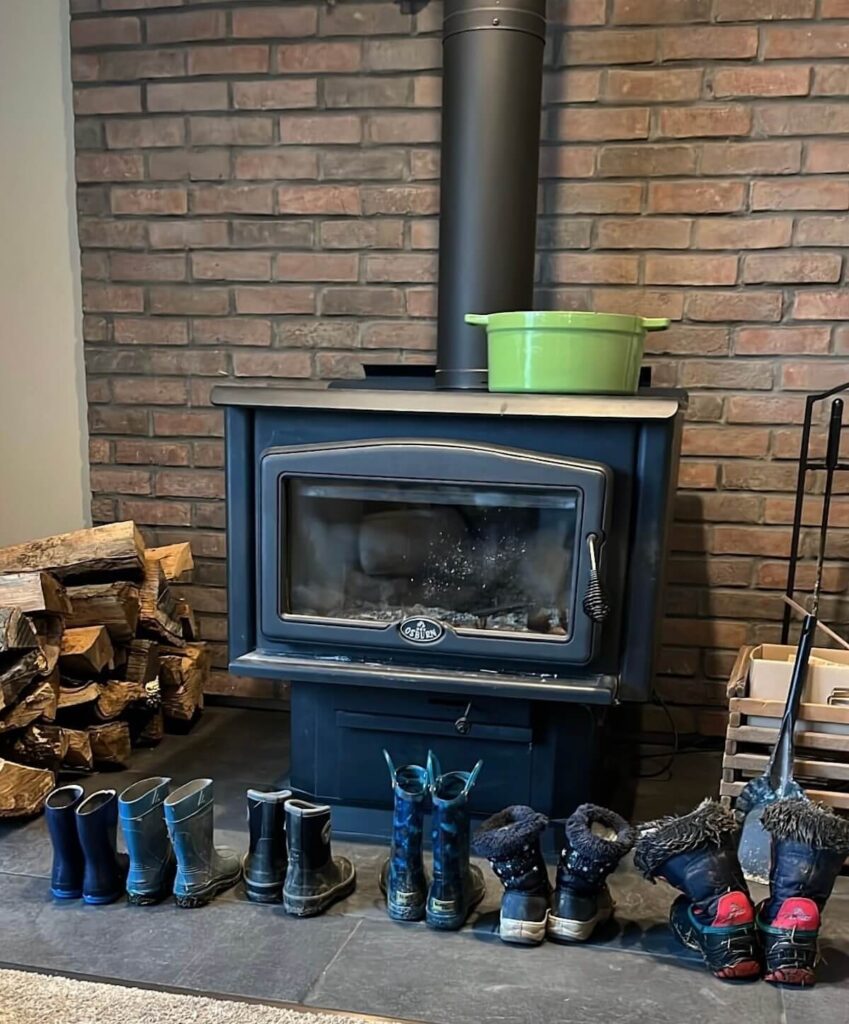
- Direct heat sources. Direct heat sources are not the best option, since the drying process may actually melt synthetic materials, dry out natural oils, crack leather, and melt glue. In a pinch, though, a campfire or other heat source may be able to help, especially if you keep your boots a few feet away in order to avoid too much heat. You can also stuff them with rags to quicken the process. When our wood stove is running, we find that placing boots upside down a few feet away from it will usually dry them in 12 hours or less.
- Rice or cat litter. Just like drying your iPhone, using uncooked rice or cat litter is another way to soak up the excess water. If you don’t want them directly touching the boots, place the rice or cat litter in a pair of socks and insert one into each boot. (I have not personally tried this method.)
- Boot dryer. A boot dryer is probably the safest way to dry boots and make sure they stay in good condition. If you’re in wet weather on a regular basis, it might be worth investing in a boot dryer. PEET makes a really highly-rated, silent boot dryer, although most people say that proper boot drying takes around 12 hours with this dryer. FORLIM makes another option that often dries in just 15-30 minutes, but is louder and potentially less durable.
- Clothes dryer. While a clothes dryer might work for fabric or mesh shoes, it is NOT recommended for wet leather shoes, winter boots, hiking boots, or most other materials, as the high heat can cause cracking and warping as well as other damage. If you do use a clothes dryer for fabric shoes, keep it on low heat for best results.
Although these drying methods will all probably work to dry shoes, at the end of the day, if you want to extend the life of your boots as much as possible, the dry cloth or newspaper method may be the best way to do so. Since it doesn’t apply direct heat, cause UV damage, or take multiple days to work, it might be one of the easiest ways to avoid wet feet while also extending the life of your boots.