Is It Worth It To Raise Chickens for Meat? How We Beat Walmart In Cost Per Pound

The benefit of raising your own meat is that you know exactly what’s in it. However, not every animal is truly cost effective to raise. So is it worth it to raise chickens for meat? In our experience, yes, meat chickens are one of the most cost effective ways to raise your own meat! After calculating our cost per pound from this past year, I found that we paid less than $2 per pound for hormone-free, antibiotic-free chickens raised on grass in our own backyard.
Now, that cost doesn’t take into account our time or our one-time costs—a chicken tractor, brooder trough (we found ours for free), heat lamp (~$20), feeder, and waterer. Later in this post, I’ll break down the cost of those items over the past 5 years that we’ve been raising our own meat birds, just for fun.
Pin This Post for Later!
This post contains affiliate links, which means that we make a small commission at no extra cost to you. You can view our full disclosure here.
Is It Worth it To Raise Chickens for Meat?
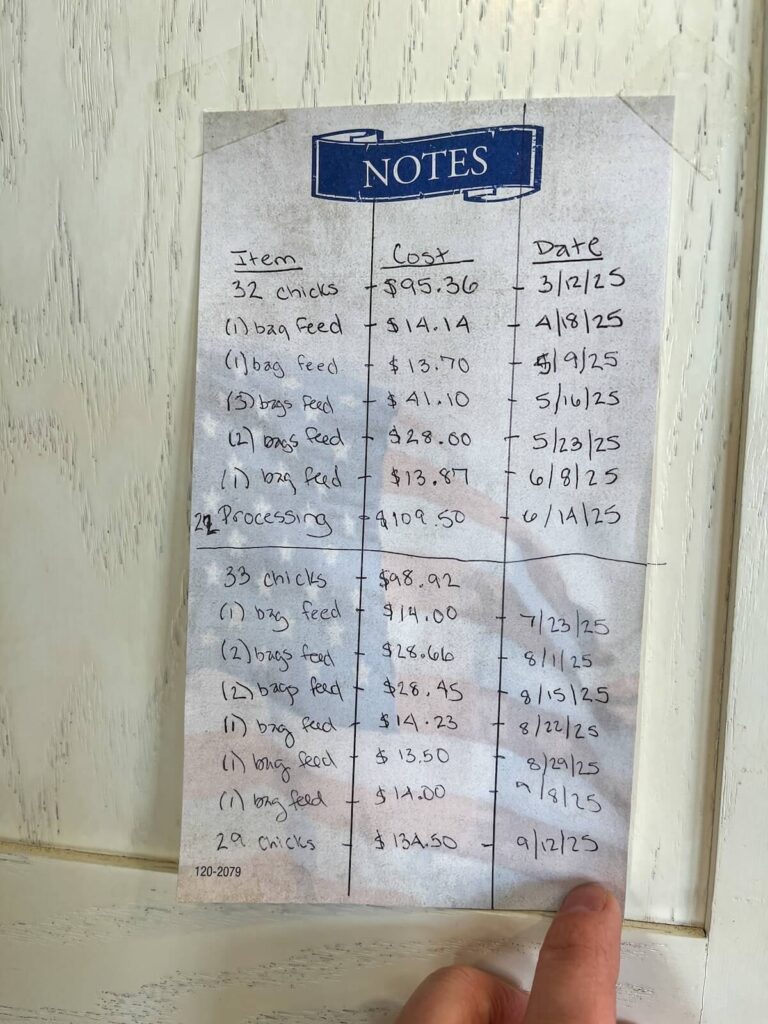
In 2025, our average total cost per bird was $13.15. We raise Cornish Crosses, and while they can come in anywhere from 5-10 pounds per bird, most are around 7-8 pounds. This gave us a cost of just $1.75 per pound—about half the cost of Walmart’s chicken breasts!
Now, like I said above, this doesn’t take into account everything. We had to put in an initial investment of approximately $500 for the one-time costs listed below. Over our past 5 years of raising birds, this has equaled out to $100 per year, or another $2 per bird. But of course, it goes down every year as we continue to reuse items.
It also doesn’t take into account the time it takes to raise the chickens. However, since they’re ready to process around just 7 weeks of age, Cornish Cross meat chickens really take very little time compared to most other animals.
Cost Analysis of Raising Chickens for Meat
Here’s a breakdown of our recurring costs (which end up equalling about $1.74 per pound of chicken) and our one-time costs (around $500 total, although there are ways to potentially bring this down).
Recurring Costs
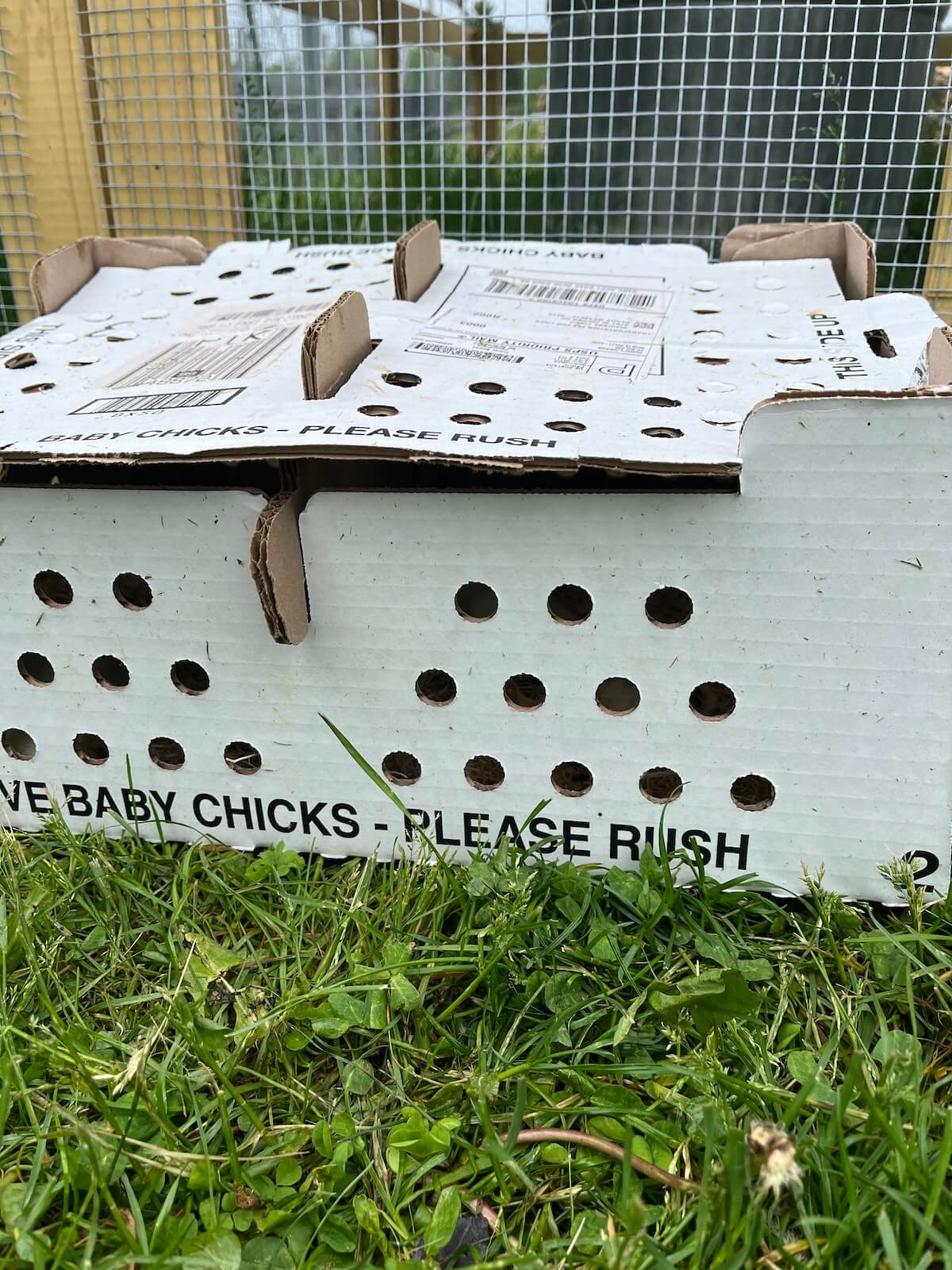
- Baby Chicks. We order day-old Cornish Cross chicks from Townline Hatchery. The more you order, the lower the cost, so try to order with friends if possible! Another tip is to find a hatchery that’s close in proximity to you, because fewer days before reaching the post office means better survival rates. (Note: most hatcheries include a few extra chicks.) We have also raised Freedom Rangers, but they do take more weeks to grow and don’t turn out as big.
- Chicken Feed. Feed costs are the highest expense when raising meat chicks. Our feed bill is typically around $14 per bag for our local elevator’s broiler feed (non organic feed). With a batch of 25-30 meat birds, we usually buy around 8, 50-lb bags of feed total.
- Shavings. For each batch, we use a few dollars worth of shavings during the first few weeks when they’re in the trough.
- Processing Fee. This can vary a ton depending on what you do. We have processed our own chicks with limited equipment (which works well if you don’t have a lot of them), rented equipment like a plucker, large pots, ice tubs, and kill cones (when we’re processing 75+ birds), and taken them to a small, private processor who charges $5 per bird. Check around on local Facebook pages and ask other homesteaders in your town for recommendations for smaller processors who may charge less than bigger setups.
- Freezer Bags. We like to freeze some of our chickens as whole birds and piece out the rest after we process them so we have some breasts, thighs, and wings to use for different meals. We typically use a vacuum sealer and vacuum seal bags, but you could also use Ziplock freezer bags.
One-Time Costs
- Chicken Tractor or Chicken Coop. We use a mobile chicken tractor which we built for about $300. Here are the $10 instructions we used to build our coop. I also discussed different options for chicken tractors (including pros and cons) in this blog post. Don’t forget to check on Facebook Marketplace, too!
- Trough or Brooding Box. You can buy a full-out stock tank for over $100, get one used on Facebook Marketplace, use a plastic tote, or make your own brooder box out of plywood. They’ll need this smaller space for the first couple of weeks or so until they begin to feather out and can keep warmer.
- Heat Lamp. We use a clamp light heat source similar to this one to keep the chicks warm in the beginning weeks. Don’t forget the heat light bulb. These cost about $25 total.
- Chicken Feeder. We made our own no-waste gravity feeder for $25 (get the instructions here), but you can certainly buy feeders on Amazon or at any local feed store.
- Chicken Waterer. We also designed a 5-gallon gravity water for $80. Metal poultry waters typically work pretty well, too (this one is $50).
- Vacuum Sealer. We have an old FoodSaver brand vacuum sealer that’s probably decades old by this point, but here’s another good option on Amazon that’s pretty inexpensive. This is a good option if you want to part out your birds after processing.
What You Need to Know About Cornish Cross Birds
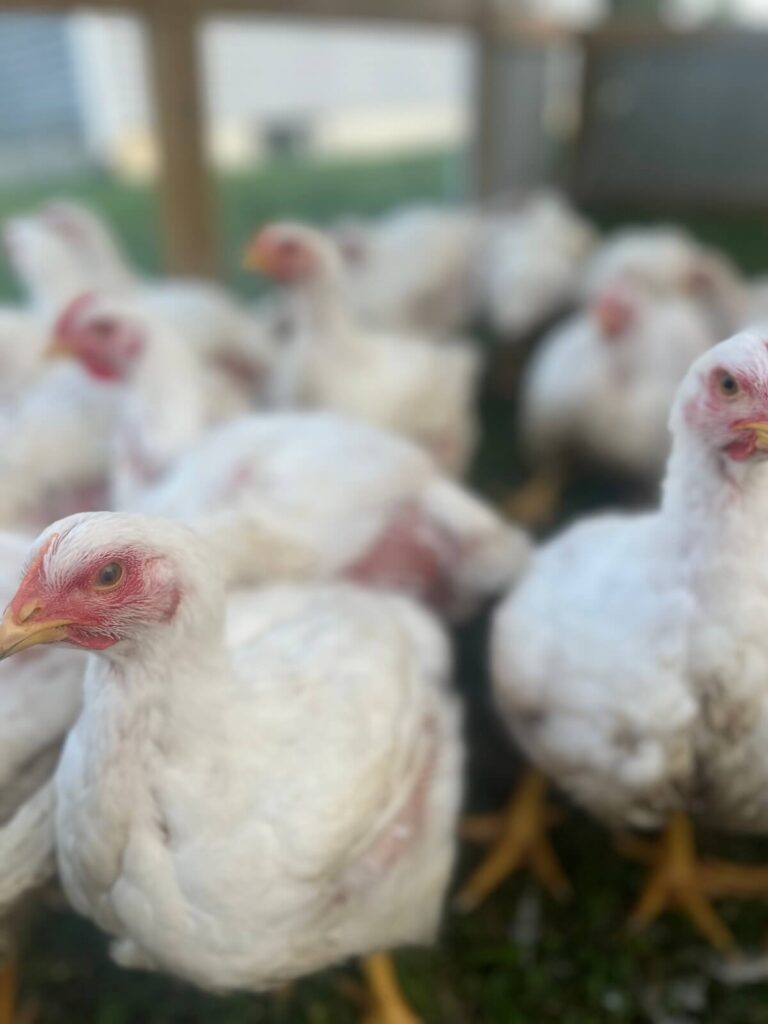
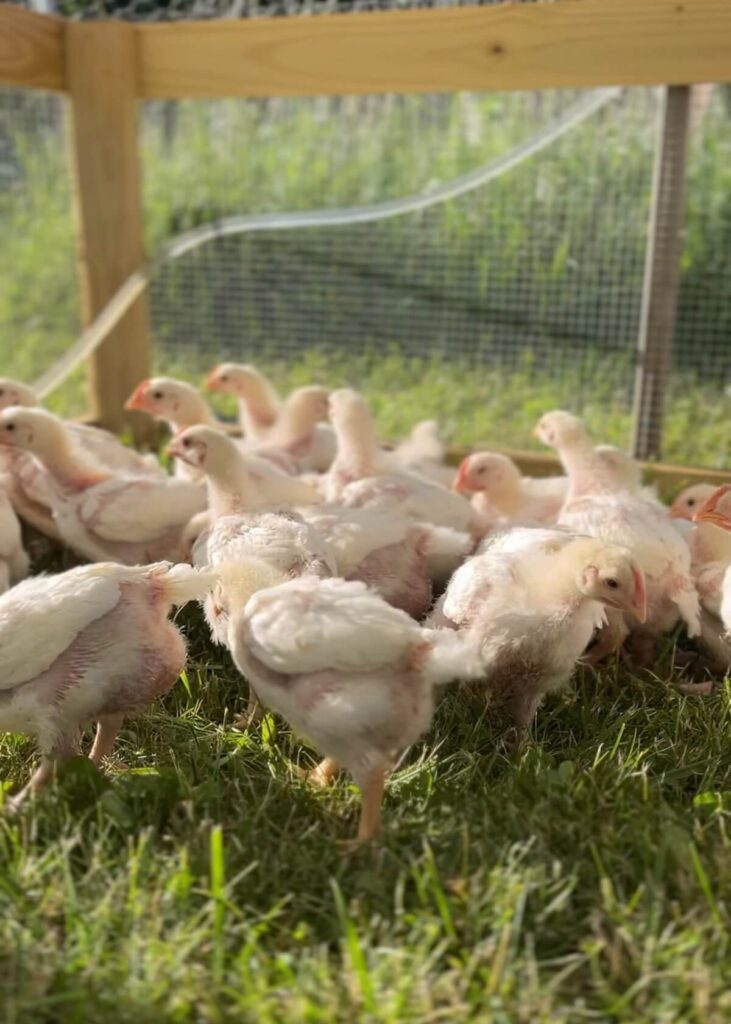
- They take just 6-8 weeks to raise. With the Cornish Cross breed, the entire process is quite short compared to Red Rangers of Freedom Ranger meat chickens.
- Their average weight is 6-8 pounds. Because of their fast weight gain, it’s important to limit their feed by using a 12-hour-on, 12-hour-off schedule starting at about 3 weeks of age. Otherwise, this breed of chicken will literally eat themselves to death—they’re prone to leg problems, heart attacks, and sudden death syndrome (or “flip-over disease”).
- A mobile chicken tractor can offer a better quality of life. We love our mobile chicken tractor. It allows us to raise healthier birds by giving them fresh pasture and good airflow, cuts down on piled-up manure, and makes for great fertilization.
- They’re easy to process compared to different breeds of broiler chickens.
- They only require about 2 square feet each. I wrote about some factors that influence how much space chickens need in this blog post.
- They’re not a good dual-purpose breed. Read this blog post to find out why Cornish Crosses aren’t a good dual purpose bird if you’re looking for eggs as well as meat.
- They’re prime hunting for raccoons! We’ve found that using strong hardware cloth is better than chicken wire alone. Here’s our story about how we lost 40 chickens in one year, and caught 9 raccoons and a possum—after having to use a trail cam to spy on them and figure out how they were possibly getting in!
- It works well to raise them in the spring and fall (at least here in Michigan). Avoiding cold weather as well as hot weather gives you a good rate for weight gain, avoids heat problems like overexertion for the chickens, is ideal for processing, and usually hits the most available times for suppliers, too. Here are a few more reasons why we choose this schedule.
Related Reading:
- Is a Movable Chicken Coop Worth It?
- 5 Reasons NOT to Raise Cornish Cross Meat Chickens
- 6 Ways to Keep Your Costs Low With Cornish Cross Broilers
- What Time of Year Is Best for Raising Meat Chickens?
- First Year Raising Meat Chickens: What We Learned
Benefits of Raising Your Own Chickens for Meat
- You know exactly what’s in them. The Cornish Cross breed is almost always what you’ll get when you buy chicken from the grocery store, but when you raise your own Cornish Cross birds, you know exactly what’s in them. No mystery meat here!
- They don’t take long compared with other animals. 7(ish) weeks is such a short period of time to end up with a 7(ish) pound bird. From day-old chicks to the dinner table, a couple of months is really a short commitment.
- You don’t need a lot of land. Unlike cows, sheep, or pigs, raising your own meat chickens takes very little space. Even with a moveable chicken tractor, we only use about a quarter acre to graze our backyard flock.
- Stability in your food supply. The cost of groceries is continuing to go up, and being able to supply your own food can not only cut down on costs (in some cases) but also provide stability.
- They taste better! Maybe I’m just spoiled at this point, but eating chicken from the store tastes a bit strange and chewy to me now! It is good to note, however, that the Cornish Cross breed of bird can be less flavorful than other breeds like Freedom Rangers.
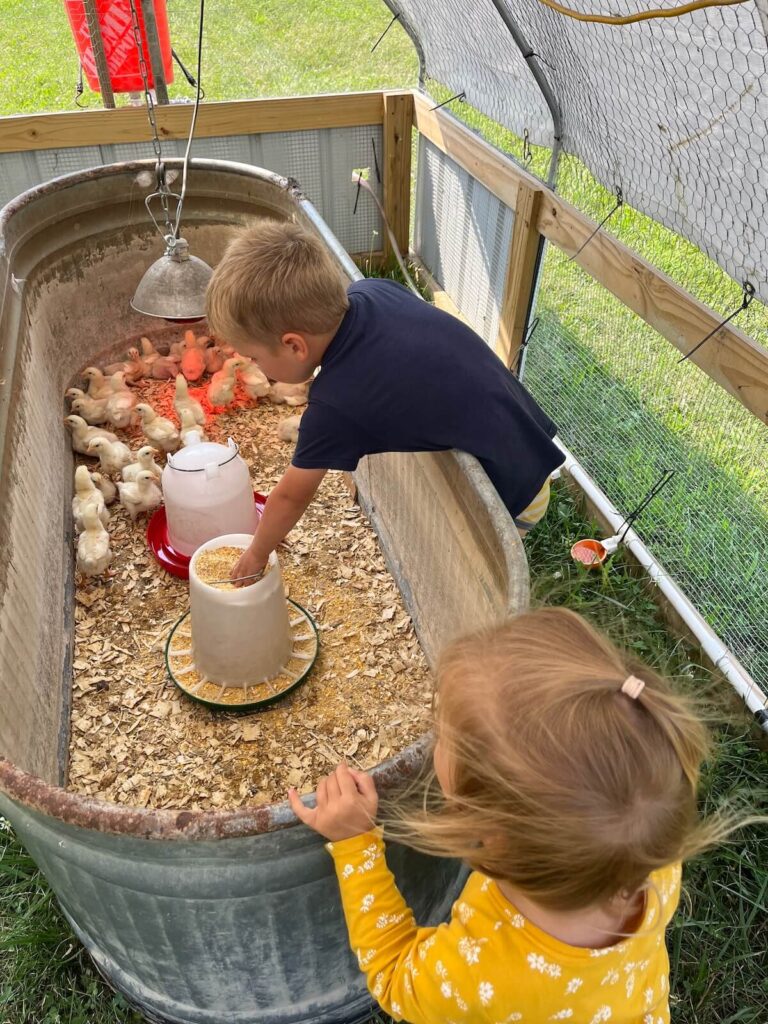
- They’re a great way to teach responsibility. If you have young kids, raising chickens is a great way to teach responsibility—they don’t take long to raise, don’t require a ton of care, and aren’t a 1500 pound animal that can potentially push down fences, get out of the pasture, or bowl someone over.